
Whether you’re trying to lose weight or just want to make sure you’re eating healthily, never underestimate the power of portion control. Like any other animal, we can tend to be a bit gluttonous when it comes to our favorite foods, and that can quickly lead to weigh gain and other problems.
But the good news is that portion control doesn’t have to rely entirely on you having an unshakeable will. In fact, there are a lot of simple portion control tips that can help you eat less without even realizing it, or feeling deprived at all.
I’ll be sharing 9 easy and effective portion control tips with you in today’s post. Give them a try, and soon you’ll realize that portion control isn’t as difficult or depriving as it seems!
9 Portion Control Tips That Will Help You Eat Healthier

1. Use Smaller Plates
The size of your plates, bowls, and even cutlery can influence how much food someone eats at any given meal. Large plates can make food portions appear smaller than they actually are, which may lead to overeating.
In one study, people using a large bowl ate 77% more pasta than those using a medium-sized bowl. Interestingly, many of the people who ate more were completely unaware of how much larger their portion was. Try switching to smaller dishes yourself, and you might just find that you feel just as full after eating despite having eaten less.

2. Split Large Entrees
When you eat out at restaurants that serve large portions, split an entree with your dining companion. Or you can always have half of it boxed up, then you can take it home to enjoy as another meal in the next day or two.

3. Pig Out On Veggies
If you can’t resist the urge to eat a lot of something, steer yourself towards salads, broccoli, or any other low-calorie, nutritious vegetables. It may not be quite as satisfying as junk food, but you can minimize the impact of overeating by choosing the right type of food to overeat.

4. Slow Down At Mealtimes
It takes about 20 minutes for your brain to get the signal from your stomach that it has gotten its fill and it’s time to stop eating. One study of healthy women noted that those who ate slowly experienced greater feelings of fullness and a decrease in food intake compared to those who ate quickly.

5. Measure It Out
If you’re not a very accurate “eyeball” measurer, try measuring out the recommended serving size of the foods you eat for a few days. Seeing the correct amount and getting a feel for it will help you measure more accurately once you ditch the measuring cups.
6. Drink Water Before Every Meal
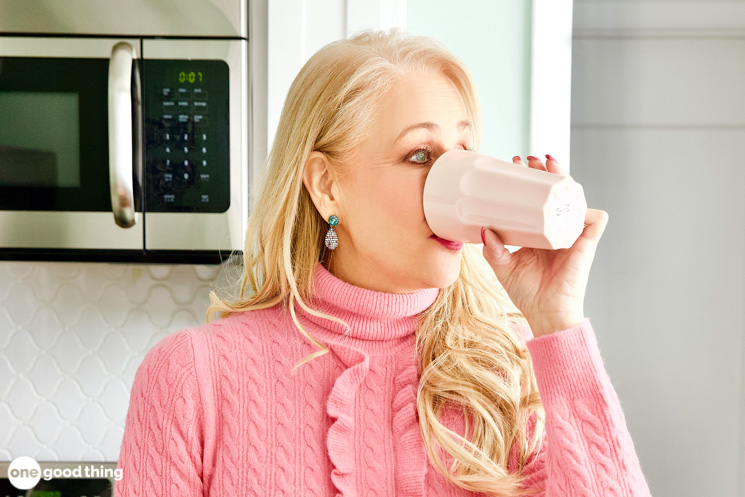
Drinking a glass of water within 30 minutes of eating a meal is an easy way to control how much eat at that meal. Filling up on water will make you feel less hungry once you start eating, and being properly hydrated makes you better at distinguishing between hunger and thirst.
One study of middle-aged and older adults found that those who drank 500 ml (around 17 ounces) of water before each meal experienced a 44% greater decline in their weight over 12 weeks, most likely due to reduced food intake during meals.

7. Don’t Eat Straight From The Package
Eating out of a large container or package encourages overeating and can make you less aware of the amount you’re actually eating. This is especially true for snacks—one study found that participants ate up to 129% more candy when it was served in a large container versus a small one.
Rather than eating snacks right out of the original packaging, pour a single serving into a small bowl. This can be particularly helpful when you’re watching TV or reading, as it can be harder to know how much you’re eating when you’re distracted by something.
8. Start A Food Diary
The simple act of writing down everything you eat and drink for a while can make you more aware of the amount of food you’re consuming overall. In weight loss studies, those who kept a food diary tended to lose more weight overall.

9. For Portion Sizes, Look To Your Hand
You can use your hands and fingers to eyeball portion sizes for different types of foods. Here’s a quick overview of portion sizes for different types of foods:
- High-protein foods like meat, fish, poultry, and beans: One palm-sized portion for women and two palm-sized portions for men
- Vegetables and salads: One fist-sized portion for women and two fist-sized portions for men
- High-carb foods like whole grains and starchy vegetables: One cupped-hand portion for women and two cupped-hand portions for men
- High-fat foods like butter, oil, and nuts: One thumb-sized portion for women and two thumb-sized portions for men
Do you have any other portion control tips that you’ve found useful?

No comments:
Post a Comment