
I have the profound pleasure of introducing you to my eldest son Erik, who will be sharing his own “One Good Thing” with all of you today! Erik, having inherited his mother’s curious and somewhat obsessive nature, has always been driven to learn as much as possible about the things he’s fascinated by, including (but certainly not limited to) house plants.
Erik has taught me so much about the best house plants that I invited him to share that knowledge with all of us here. He graciously agreed, so I’m handing over the reigns for the day! :-)
Erik Writes…
Like many others around the country, I started working from home at the onset of the pandemic. And since our spare bedroom has long since served as my wife Kaitlyn’s home office, that left me to set up shop in our living room.
In order to make my new “workspace” more inviting and energizing, I decided to liven it up with some new decor and house plants. But my decision to add more plants was based on more than just their aesthetic appeal—I also chose them to help improve the air quality throughout the space!
In addition to absorbing carbon dioxide, house plants can also help rid indoor air of volatile organic compounds (VOCs) according to a 1989 study conducted by NASA. VOCs include scary stuff like formaldehyde, ammonia, benzene, and trichloroethylene, all of which can be found in everyday items in our workspaces, like processed paper, electronics, and furniture.
Granted, you would need a lot of plants to rely on them completely for your fresh air. But adding a few house plants to your space can have benefits beyond fresher air, like improved humidity and a more beautiful indoor space!
Here are some of the best house plants you can grow at home, both for your indoor air quality and for the overall look of your home!
The Best House Plants For Indoor Air Quality

1. Chinese Evergreen (Aglaonema)
Approximate size: 3 ft tall and wide
If you want a full, traditional houseplant, the “Chinese evergreen” has a fountain of leaves that comes in a wide variety of colors! It can tolerate a low light situation better than most, so it’s great for for north-facing rooms and other low light areas.
The Chinese evergreen is pretty low-maintenance compared to other house plants, so it’s a good option for beginners!
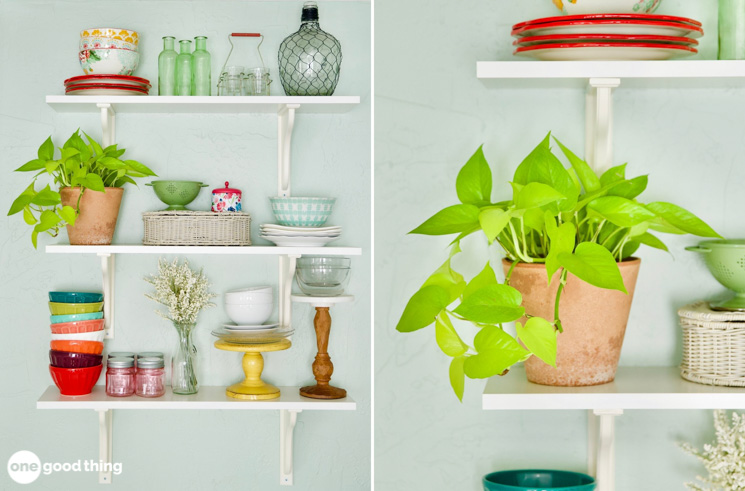
2. Pothos (Epipremnum aureum)
Approximate size: Vines may reach 6+ ft long, can be trimmed
If you want something to trail off a shelf or hang from the ceiling, a “Pothos” grows vines of big, bright leaves that come in a wide variety of colors and variegations. It doesn’t need to stay as wet as other plants, so it won’t mind being forgotten about every once in a while.
Feel free to trim the vines to keep it bushier, or let it hang freely from a tall location. It can thrive in many different light situations too.
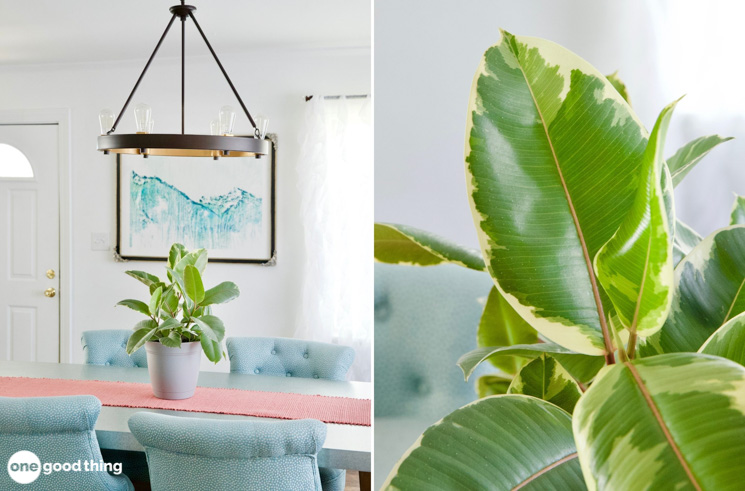
3. Rubber Plant (Ficus elastica)
Approximate size: 6-10 ft tall
If you want something upright and tall, a rubber plant is a small tree that can grow inside your home! Their big leaves have a beautiful shine and do a great job of cleaning the air.
Studies have found that a mature rubber plant can remove several pounds of toxic air from your space every day! I especially like the “Tineke” variety pictured here.
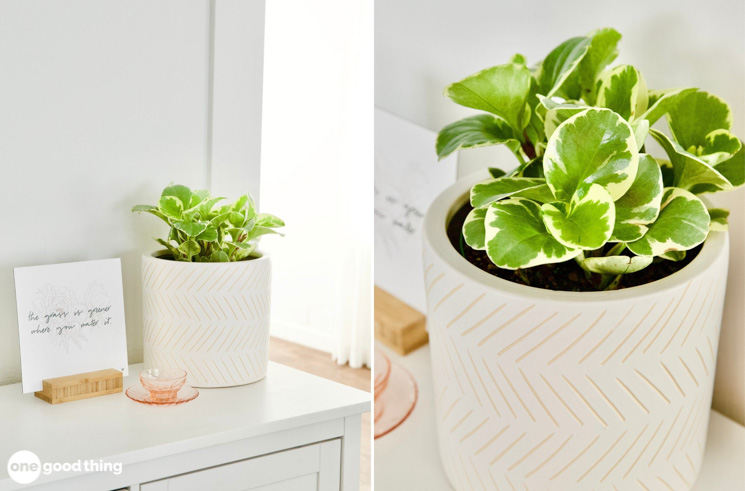
4. Baby Rubber Plant (Peperomia obtusifolia)
Approximate size: 1 ft tall and wide
Love the look of the rubber plant, but don’t have the space for such a tall plant? Look no further than the “baby rubber plant!” While not related to the real Ficus elastica, it features similarly thick and brightly colored leaves.
Another benefit of the baby rubber plant is that it is a semi-succulent, meaning it won’t need much water as it likes to dry out a bit between waterings.
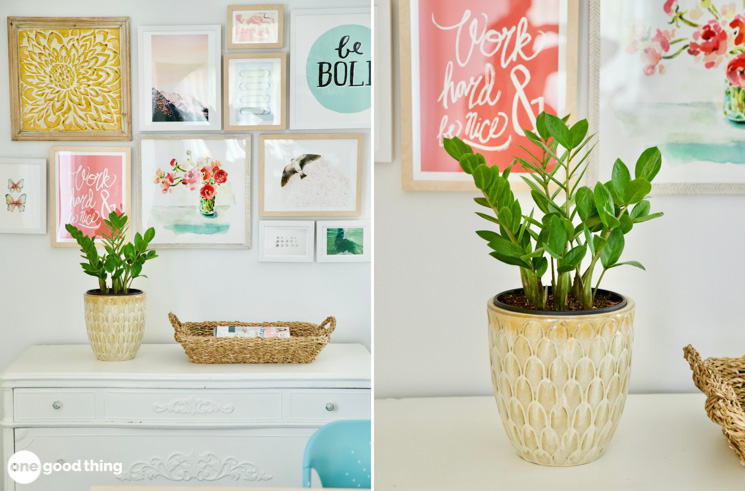
4. ZZ Plant (Zamioculcas zamiifolia)
Approximate size: 2-3 ft tall
The ZZ plant is a distant relative to palm trees and is known as a “plant of steel” for being extremely hardy! It has “tubers” at its base that hold water and help keep the glossy leaves upright.
Because of their built-in water storage system, ZZ plants can go for weeks without watering, making it the perfect plant for the forgetful among us. :-) It’s also a good choice for those without much light to offer.
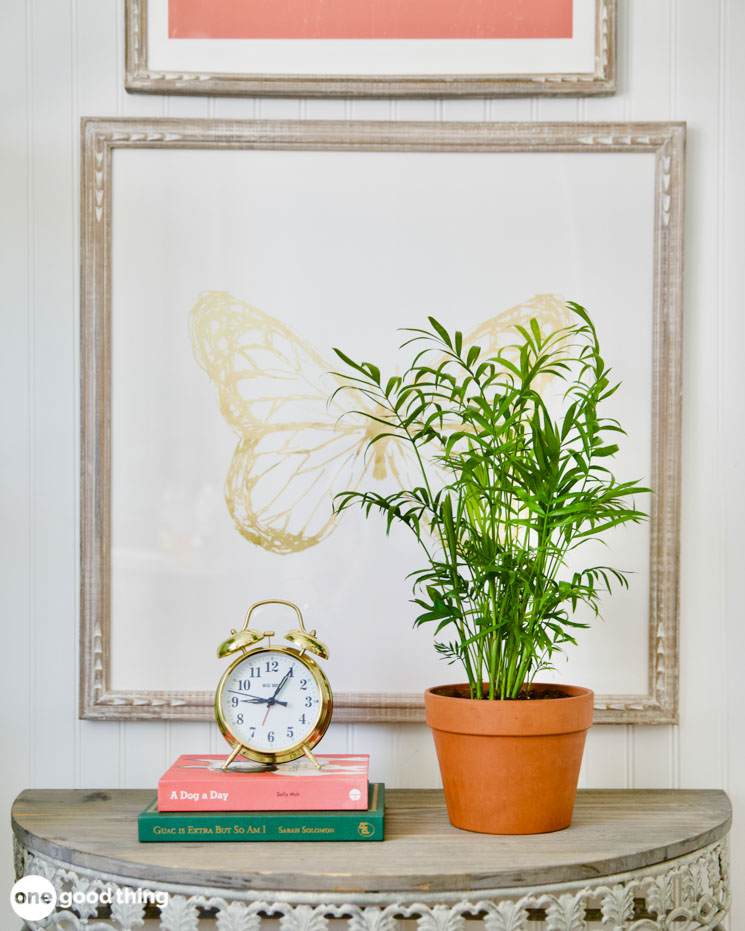
5. Parlor Palm/Neanthe Bella Palm (Chamaedorea elegans)
Approximate size: 3-4 ft tall
If you want an indoor palm that is small enough to live on a table or shelf, the parlor palm (also called the “neanthe bella”) is a beautiful plant and easy to care for. It does not need as much light as other indoor palms and doesn’t need constant watering either.
Indirect light is the parlor palm’s best friend, and all those fronds make it an effective filter.
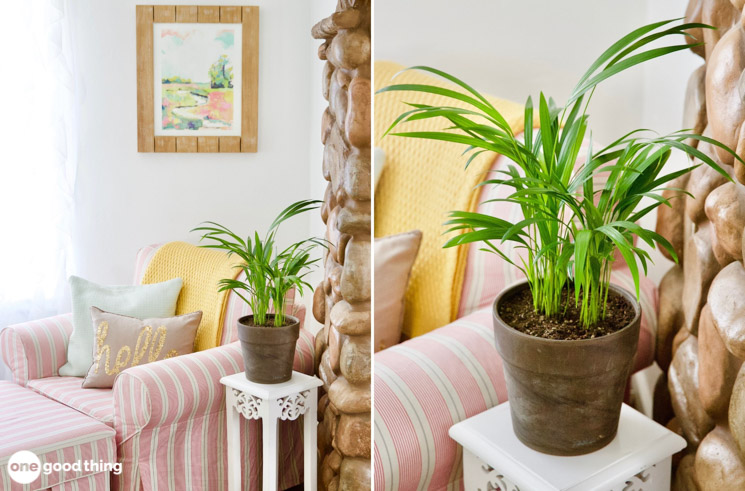
6. Areca Palm (Dypsis lutescens)
Approximate size: 10+ ft tall
For those with a whole a corner of their home to spare, the Areca palm is one of the easiest members of the palm family to grow indoors. The most important thing to remember when caring for any indoor palm is that they are surprisingly sensitive to overwatering.
Wait until the top two inches of soil are dry before watering, and keep it in a clay pot to help soak up any excess water. It also helps to plant them in a palm- or cactus-specific soil that drains quickly to prevent root rot. These simple measures will help keep your Areca palm happy so that it can thrive!

7. Chinese Money Plant (Pilea pepermoides)
Approximate size: 1 ft tall
The Chinese money plant a popular house plant with uniquely round leaves, and it’s easy to care for as long as you put it in a bright room and water when the top of the soil dries out.
Another interesting feature of this plant is that it grows little “babies” that can be propagated into new plants, either to give away or to grow your own collection!
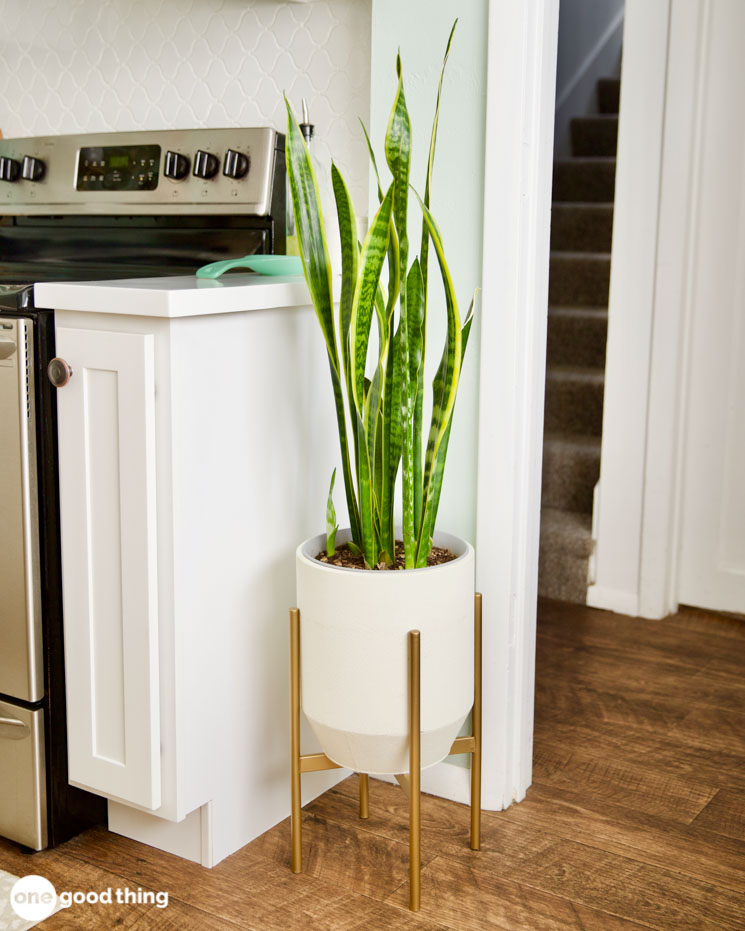
8. Snake Plant (Dracaena trifasciata)
Approximate size: 6 in to 12 ft tall, depending on variety
The snake plant has pointed, sharp-looking succulent fronds, which earned it the nickname “Mother-In-Law’s Tongue.” This stately plant can tolerate a low or artificial light situation, and since it is a succulent, it won’t mind infrequent watering or low humidity.
Plant your snake plant in a cactus-specific potting soil that will drain quickly and won’t hold onto moisture for very long.
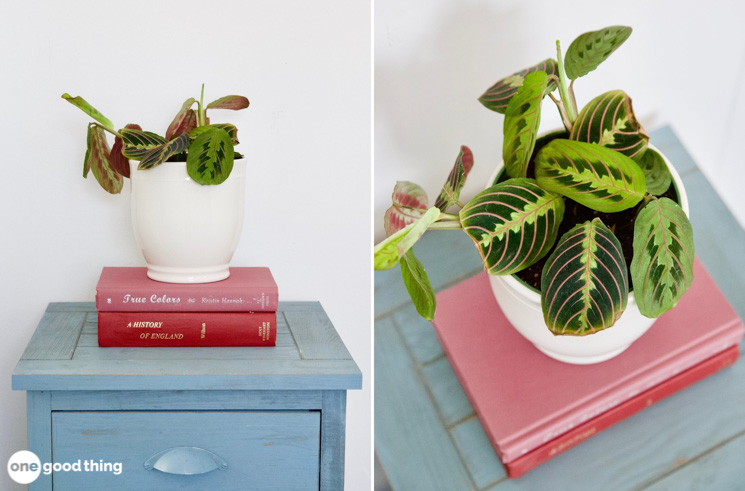
9. Prayer Plant (Maranta leuconeura)
Approximate size: 1 ft tall
If you live in a humid environment, consider adopting a prayer plant! These beauties have gorgeous coloring and grow really well in higher humidity. They are known as prayer plants because after their leaves flatten out during the day to capture the light, the leaves fold in at nighttime to resemble hands in prayer.
Water them when the top layer of soil is dry, and keep them in brightly lit spaces out of direct sunlight.
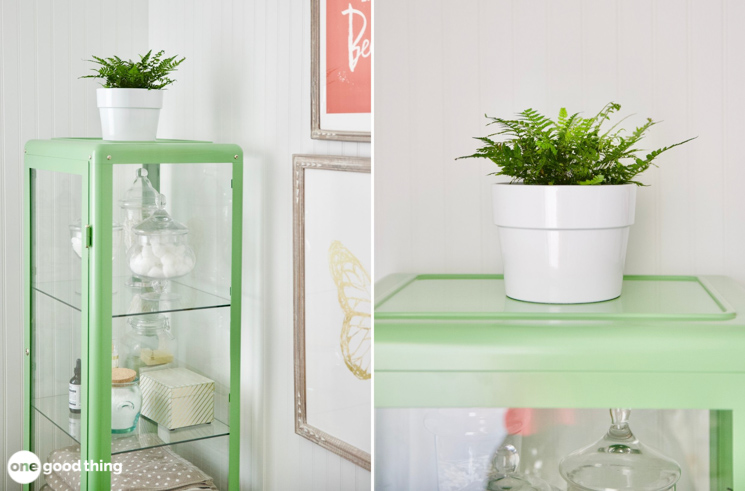
10. Korean Rock Fern (Polystichum tsus-simense)
Approximate size: 1 ft tall, width varies
Compared to Boston ferns and other fern types, Korean rock ferns are much hardier and easier to care for. They need less humidity and do well in most types of lighting.
While it likes to be kept moist, it doesn’t like being too wet, so only water it when the top of the soil dries out. Water your Korean rock fern from the side to avoid getting water in the “crown” of the fern, which can lead to rot that can ultimately kill the plant.
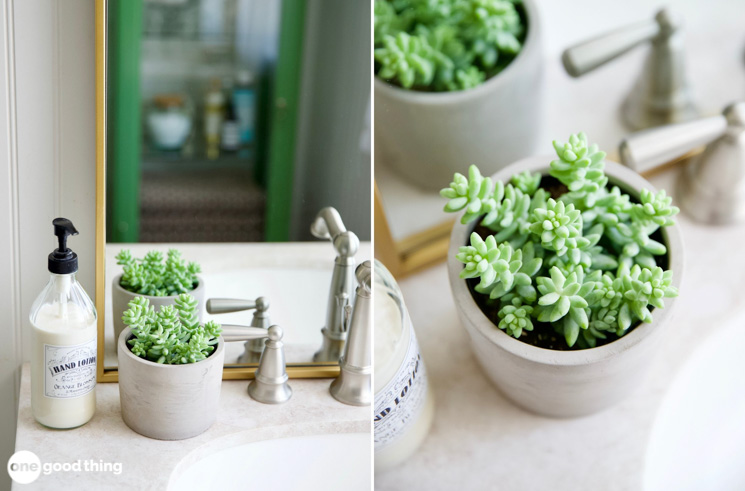
11. Donkey Tail/Burro’s Tail (Sedum morganianum)
Approximate size: Trailing stems can reach 2 ft long, trim as desired
If you’ve got a spot in your home that gets long-lasting direct sunlight, this adorable little succulent will thrive there! It grows long strands of plump silver-green leaves, and loves typical household temperatures. (Feel free to give it a “vacation” outside if the weather is warm enough!)
When it comes to watering succulents like this one, less is more. They store a lot of water in their leaves and only need a good soak when the soil is very dry. Succulents do well in a low-humidity environments, and are easy to maintain if given the correct amount of water and light.
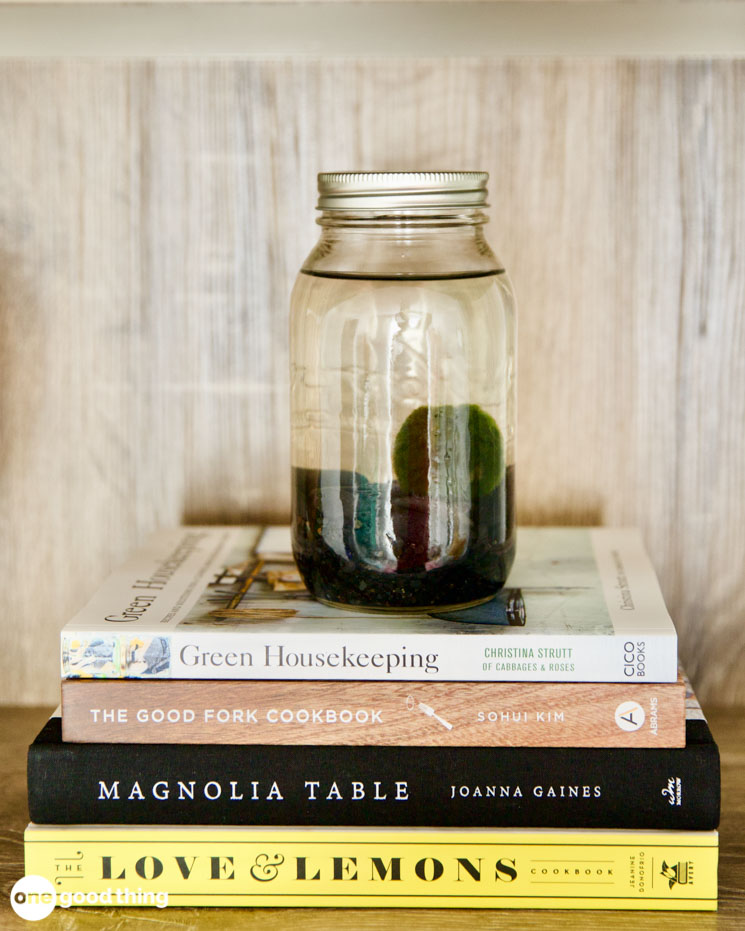
12. Marimo (Aegagropila linnaei)
Approximate size: 1-3 in wide
For those interested in a more uncommon type of house plant, a marimo moss ball might be right up your alley! They are an underwater plant and thrive in low light, making them a very low maintenance option.
Keep moss balls in a sealed or unsealed container of filtered water with a layer of rocks or sand at the bottom. Change the water out every 1-2 weeks, and that’s all the care these little guys require!
Bonus Tips For Caring For House Plants
- House plants have drastically different water requirements, so it’s important to water them according to each plant’s needs and the current conditions of its soil, rather than following a set schedule.
- Even if a particular house plant thrives in bright light, it will typically fare better out of direct sunlight.
- In addition to giving your house plants the correct amount of water, feed them using a fertilizer formulated for indoor plants to help provide them with vital nutrients they would normally receive in their natural environment.
- If you’re caring for a high humidity plant in a dry climate, misting will only help keep it moist if you do it several times per day. (In other words, you’ll have a much easier time caring for indoor plants that can adapt to your particular climate!)
- Choose pots according to each plant’s need. Unglazed clay draws out excess moisture better than plastic or glazed pots, making it a great choice for plants that need to dry out between waterings. Conversely, plastic and glazed pots can help lock in moisture for plants that need to be kept moist.
Do you have a favorite house plant growing in your home?

No comments:
Post a Comment